Understanding Delta 8 Distillate: A Practical Guide for Concentrate Users
What Makes Delta 8 Distillate Different?
If you have spent any time around cannabis concentrates, you have probably heard about delta 9 thc and its dominant role in the psychoactive effects most people associate with cannabis. But there is another cannabinoid that has been quietly gaining attention among those who want a milder, more functional experience: delta 8 thc. When processed into a concentrated form through distillate extraction, this compound becomes what many in the industry call delta 8 distillate. It is not a gimmick. It is a genuinely different profile that deserves a closer look, especially if you are someone who finds standard high-thc products a bit overwhelming.
Delta 8 thc occurs naturally in hemp plants, but only in trace amounts. To make it usable in a concentrate form, producers must isolate and concentrate it through careful extraction methods. The result is a product that sits somewhere between cbd isolate and full-strength delta 9 thc in terms of intensity. That middle ground is exactly why many experienced users are turning to it for daily use when they still need to stay functional. The psychoactive effects are present but significantly less intense than what you get from a standard dab of delta 9 distillate. For someone who wants the therapeutic benefits of cannabinoids without the heavy disorientation, this can be a game-changer - though I will avoid that overused phrase and just say it is a useful tool to have on hand.
How Distillate Extraction Shapes the Final Product
The method used to produce delta 8 distillate matters a great deal. Not all extraction techniques preserve the delicate balance of terpenes and minor cannabinoids that contribute to the entourage effect. The entourage effect is the idea that cannabinoids work better together than in isolation, and it is one reason why full-spectrum products often outperform isolates. When you strip away everything except a single compound, you lose some of that synergy. Good distillate extraction aims to retain as much of the original plant material's complexity as possible while still concentrating the target cannabinoid.
One method that has gained traction among premium producers is co2 extraction. This process uses pressurized carbon dioxide to separate cannabinoids and terpenes from hemp biomass without the use of harsh solvents. The result is a solvent-free concentrate that tends to have a cleaner flavor and a more rounded effect. When you vape a co2-extracted delta 8 distillate in a vaporizer, you notice the subtle notes of the plant's original terpene profile. That flavor carries through in a way that cheaper extraction methods simply cannot match. Third-party lab testing becomes critical here because it verifies both the thc potency and the absence of residual solvents. If you are buying from a reputable source like kush station, you can usually find those lab reports posted on the product page. Always check them before purchasing any cannabis concentrates.
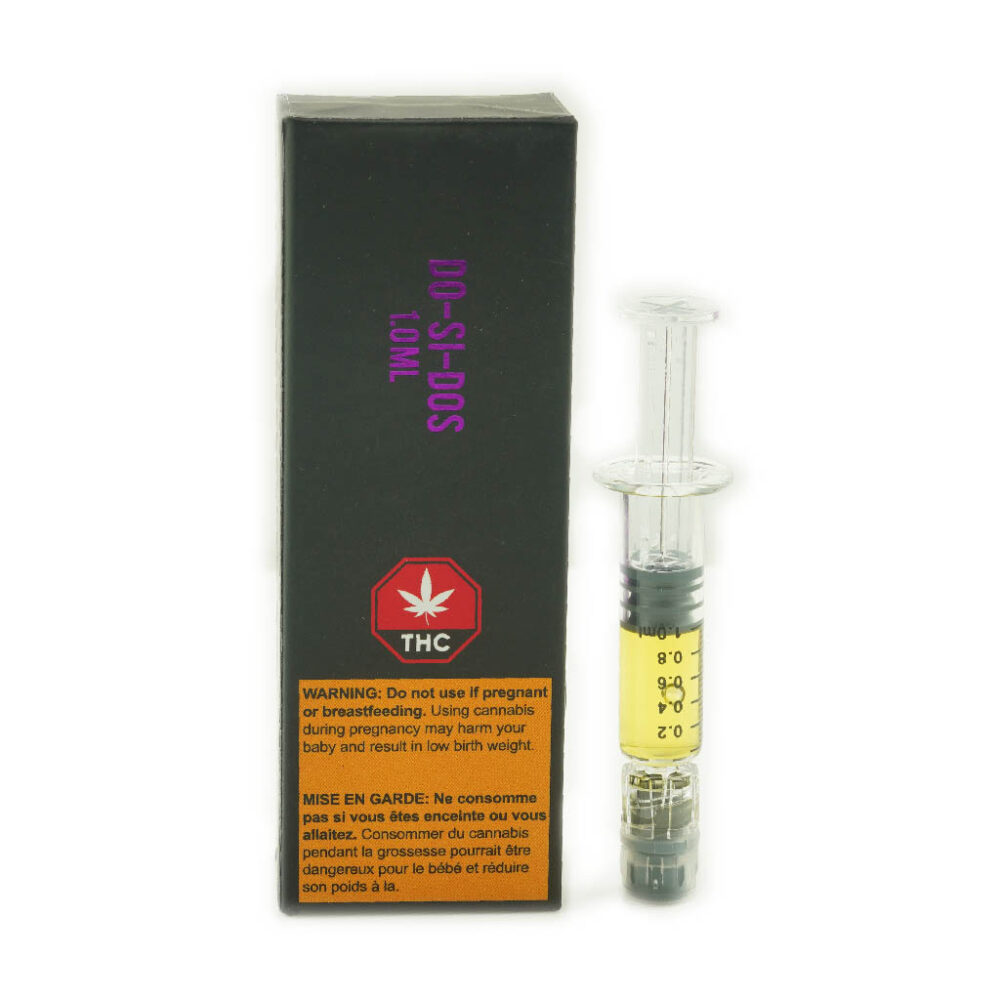
Practical Uses: Dabbing, Vaping, and Edibles
Delta 8 distillate is versatile. You can use it in a glass dab rig just like you would with any other concentrate. The lower viscosity compared to some other extracts means it loads easily onto a dab tool and vaporizes evenly. Start with a small amount - a grain of rice is plenty for a first session - because the effects, while milder than delta 9, still demand respect. The onset is relatively quick when dabbing, usually within a few minutes, and the duration is shorter than edibles, which makes it easier to control your experience.
If you prefer a less intense method, you can fill vape cartridges with delta 8 distillate mixed with a compatible thinning agent. Many vape cartridges on the market are designed for thicker oils, so check compatibility before filling your own. The advantage of vaping is the ability to take small, controlled puffs over a longer period. This is ideal for microdosing throughout the day, especially if you are using it for anxiety or mild pain relief without wanting to feel intoxicated. Some users also mix delta 8 distillate into cannabis edibles, though you need to be careful with dosage because the effects can sneak up on you when ingested. Edibles process through the liver, converting some delta 8 into more potent metabolites, so the psychoactive effects can be stronger than expected. Always start with a very small dose and wait at least two hours before considering more.
For those who are newer to concentrates, I recommend starting with a simple vaporizer pen rather than a full dab setup. The temperature control on a good vaporizer lets you dial in the exact heat that works best for delta 8 distillate. Lower temperatures around 315-350 degrees Fahrenheit preserve more terpenes and produce a smoother vapor. Higher temperatures give bigger clouds but can degrade some of the more volatile compounds. Experiment to find what suits you.
Legal Compliance and Hemp-Derived Status
One reason delta 8 distillate has become more available in recent years is its legal status under the 2018 Farm Bill. Hemp-derived delta 8 thc is federally legal in the United States as long as the final product contains less than 0.3 percent delta 9 thc by dry weight. This legal compliance has allowed online retailers like kush station to ship it to most states. However, some states have enacted their own restrictions on delta 8 specifically, so always check local laws before ordering. The legal landscape is still shifting, and what is legal today may not be tomorrow. Reputable sellers stay on top of these changes and usually list shipping restrictions on their site.
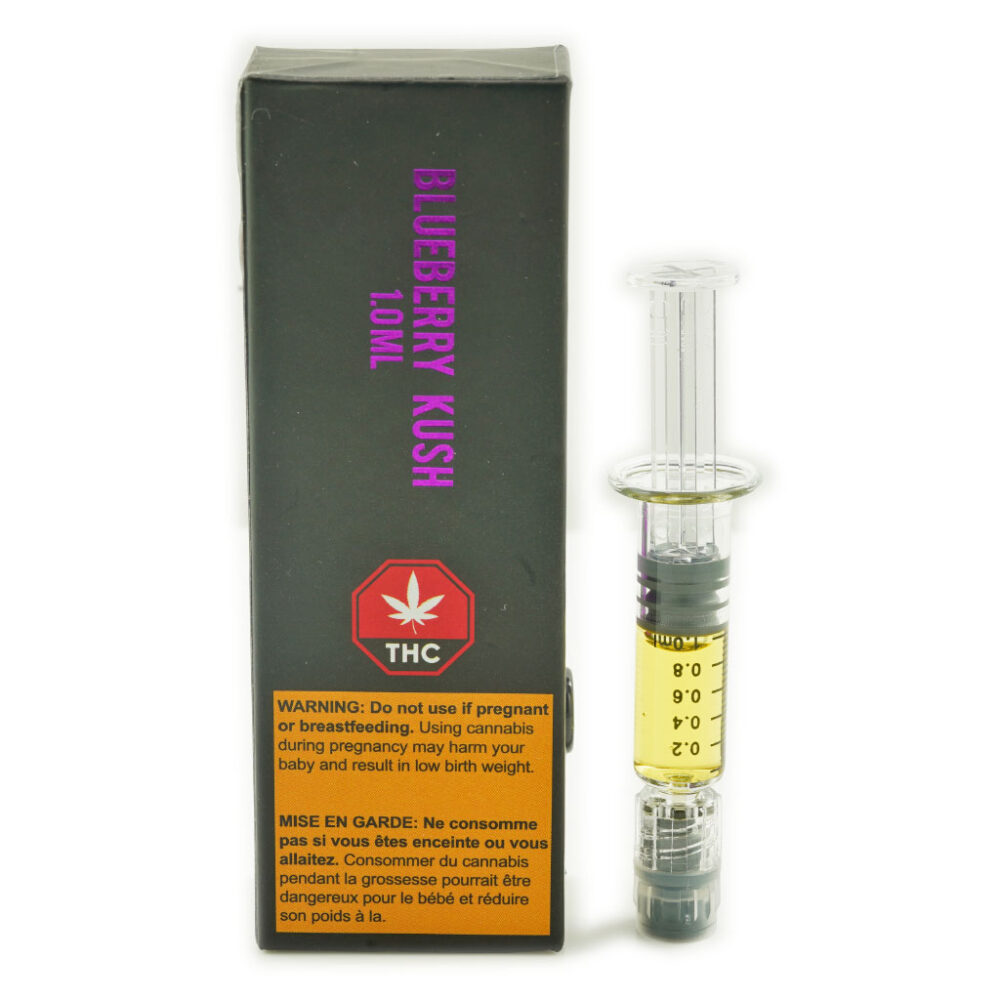
It is also worth noting that not all delta 8 distillate is created equal from a legal standpoint. Some producers start with cbd isolate and chemically convert it into delta 8, which can introduce impurities if not done carefully. Others use a more natural extraction from high-delta-8 hemp strains. The latter tends to produce a cleaner product with fewer byproducts. Third-party lab testing is your best friend here. Look for a certificate of analysis that shows not just thc potency but also the presence of any residual chemicals from the conversion process. If a company does not provide that information, consider that a red flag.
Comparing Delta 8 and Delta 9 Distillate
If you are used to the intense, euphoric rush of delta 9 thc, switching to delta 8 distillate will feel noticeably different. The high is more grounded, less likely to cause anxiety or paranoia. Some describe it as a "functional buzz" that allows them to go about their day without feeling impaired. Others find it less satisfying because they miss the full intensity. It really comes down to personal preference and what you are trying to accomplish. For social situations or creative work, delta 8 can be a better fit. For deep relaxation or a full escape, delta 9 remains the standard.
There is also a difference in how the two interact with your endocannabinoid system. Delta 8 has a lower binding affinity for the CB1 receptor than delta 9, which is why the psychoactive effects are milder. But it still activates the same pathways, just to a lesser degree. That makes it a good option for people who are sensitive to thc or who want to build a tolerance slowly. Some users even combine delta 8 and delta 9 distillates to fine-tune their experience, blending them in a single dab to get a custom ratio of intensity to clarity. That kind of experimentation is part of the fun of working with cannabis concentrates.
Storing and Handling Your Concentrate
Delta 8 distillate, like all concentrates, is sensitive to heat, light, and air. Store it in a cool, dark place in an airtight container. A silicone container works for short-term storage, but glass is better for long-term because silicone can absorb some of the terpenes over time, altering the flavor. If you live in a warm climate, consider keeping it in the refrigerator to maintain its consistency. Over time, even with proper storage, the potency can degrade slightly, but a well-made distillate should stay stable for several months.
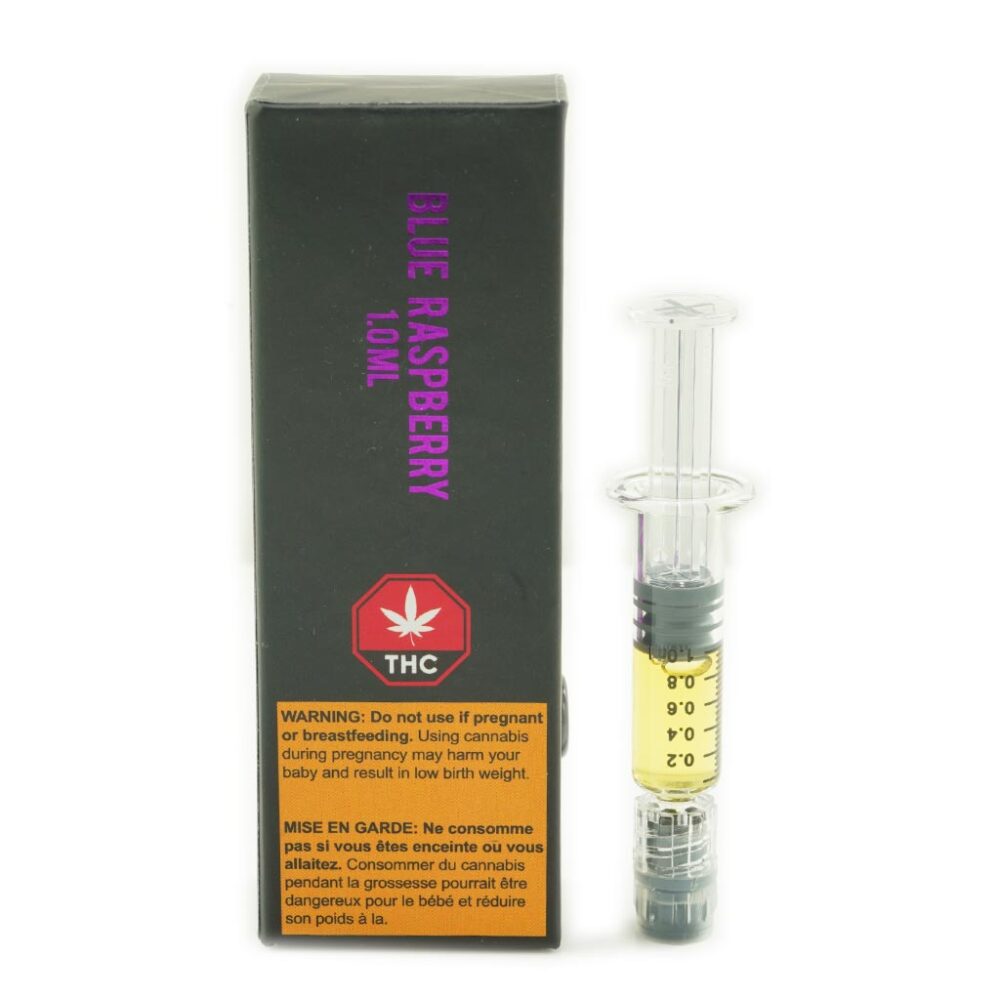
When handling, use a metal dab tool or a glass rod to avoid transferring oils from your fingers. The concentrate can be sticky, so a little goes a long way. Clean your dab rig or vaporizer regularly to prevent residue buildup that can affect flavor. If you notice a burnt or harsh taste, it is probably time to swap the water in your rig and give the nail a quick wipe. Good maintenance extends the life of your equipment and keeps each session tasting fresh.
Delta 8 distillate is not a miracle product, but it fills a specific niche that many concentrate users find valuable. Whether you are looking for a milder alternative to high-thc dabs, a way to microdose cannabinoids throughout the day, or simply a new compound to add to your rotation, it is worth exploring. Just buy from a source that provides transparent lab results, start low and go slow, and pay attention to how your body responds. That is the best advice I can give for any cannabis concentrate, including this one.